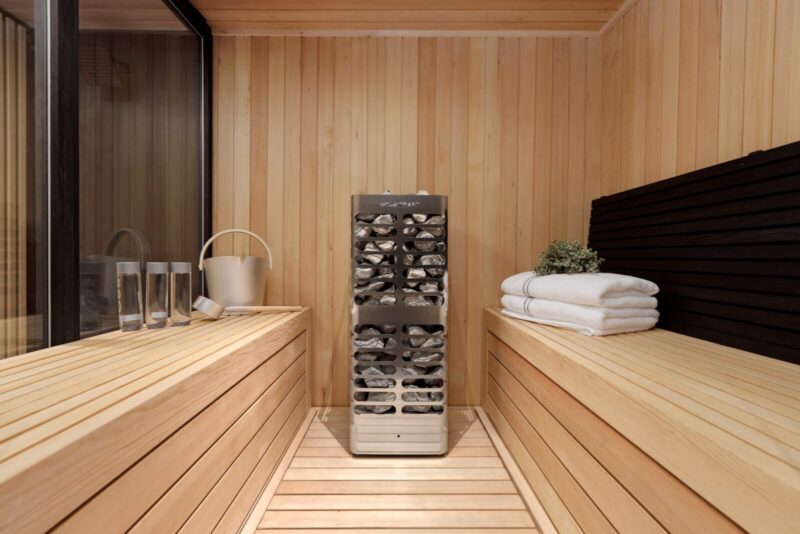
Choosing the correct sauna heater is essential for creating a comfortable, efficient, and safe home sauna. A heater that is too small may struggle to reach the desired temperature, while an oversized model can waste energy and produce uneven heat. The right choice depends on the room’s volume, construction materials, insulation, and the way you plan to use your sauna.
Calculate the Volume of Your Sauna
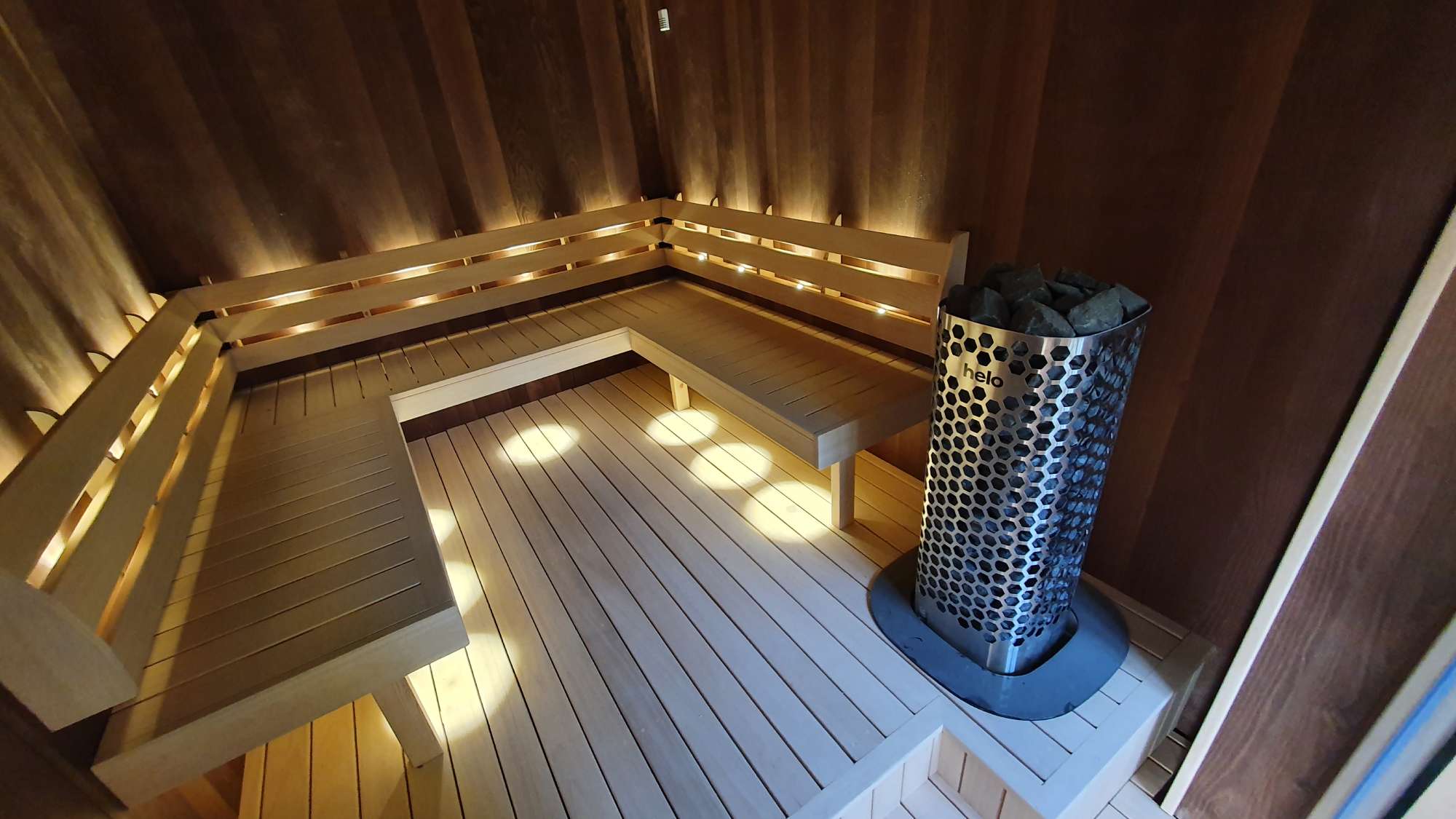
Visit this page to see options for the Finnish-made Tylo sauna heater for your home to upgrade your wellness. Before comparing individual models, calculate the internal volume of the sauna by multiplying its length, width, and height. Heater manufacturers commonly provide a recommended room-size range for each unit, making this measurement the starting point for your decision.
For example, a sauna measuring 2 metres long, 1.8 metres wide, and 2.1 metres high has a volume of approximately 7.6 cubic metres. You should choose a heater designed to operate comfortably within that range rather than selecting a model at its absolute minimum or maximum limit.
If the calculated volume falls close to the upper limit of a heater’s capacity, moving to the next size may provide faster heating and more consistent performance. However, the heater should still match the electrical supply and safety requirements of the room.
Consider Insulation and Surface Materials
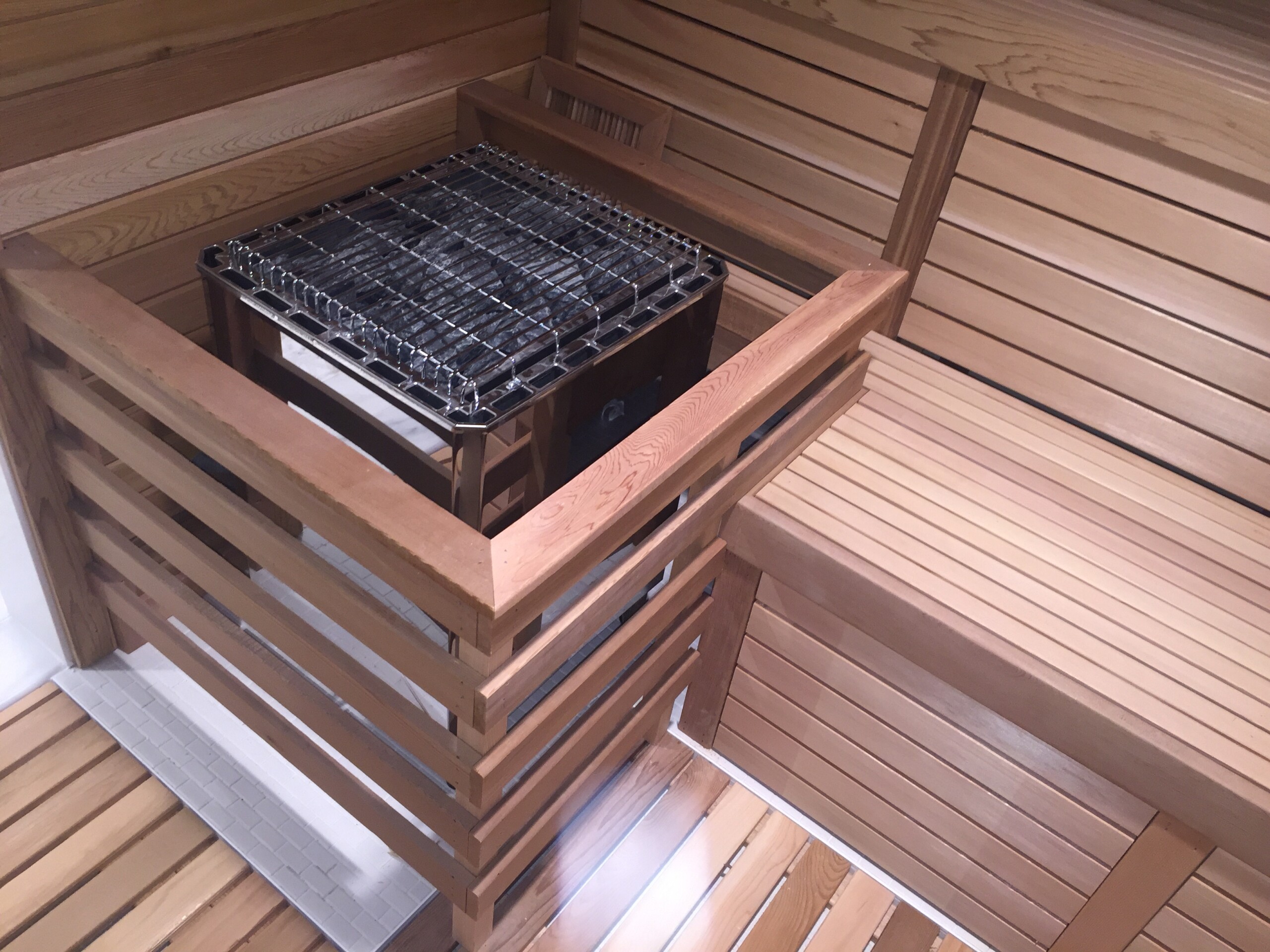
Room volume alone does not reveal how much heating power your sauna needs. Insulated timber walls retain heat efficiently, while glass doors, windows, stone, brick, and other uninsulated surfaces allow more heat to escape. A sauna with several exposed surfaces may therefore require a more powerful heater than a fully insulated room of the same dimensions.
As a practical rule, every square metre of uninsulated glass, stone, or masonry increases the effective volume of the sauna. Manufacturer guidelines explain how to adjust your calculation, so always check the instructions for the heater you are considering.
Ceiling height also matters because hot air rises. An unnecessarily high ceiling can increase heating time and energy consumption without improving comfort. Good insulation, an appropriate vapour barrier, and properly fitted doors help the heater maintain stable temperatures without working harder than necessary.
Match the Heater to Your Usage and Installation
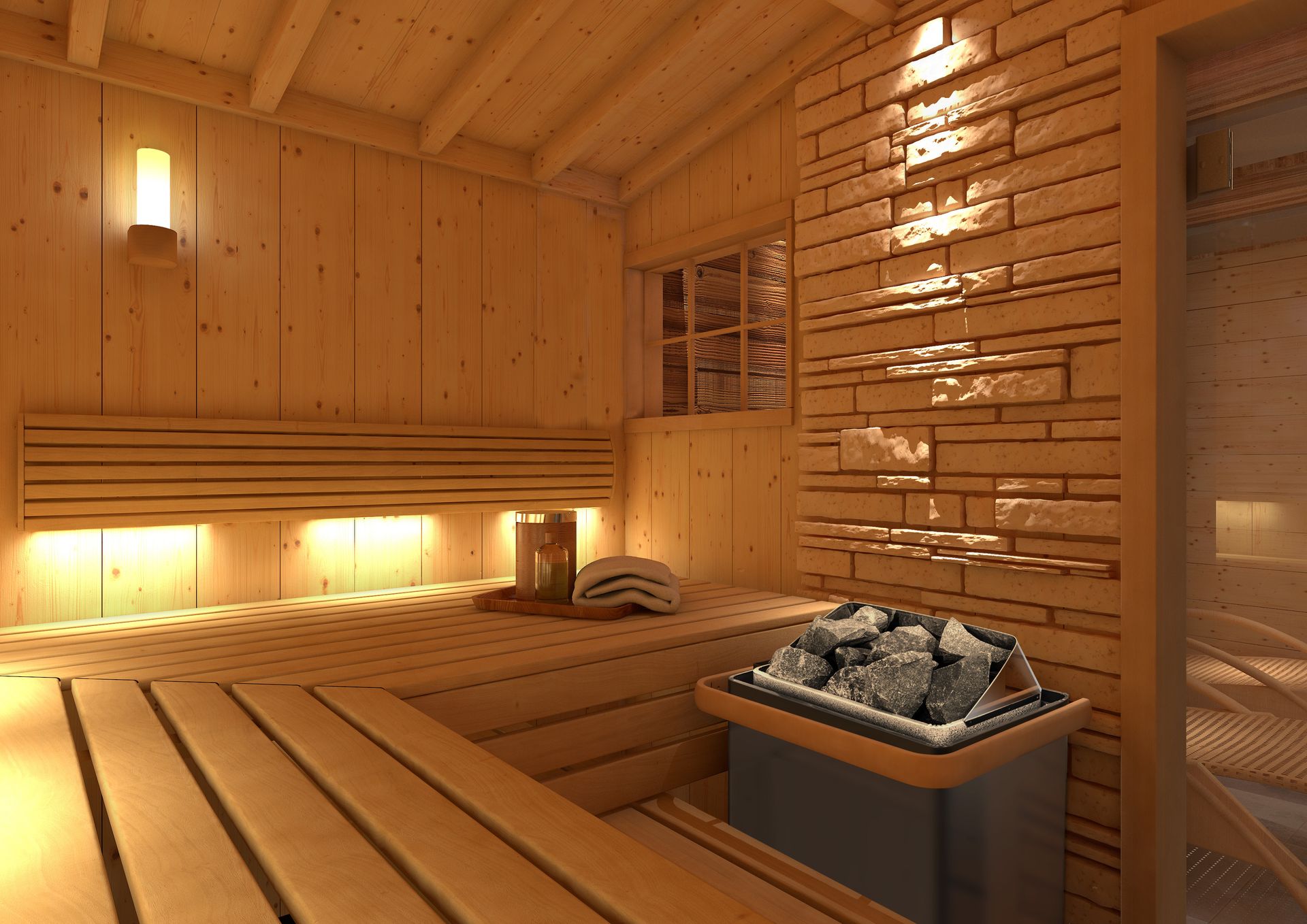
Think about how frequently the sauna will be used and how quickly you want it to become ready. A household using the sauna several times a week may value a heater that reaches operating temperature efficiently and provides reliable heat over longer sessions. The amount of sauna stones can also influence the experience, as a larger stone capacity usually creates softer steam when water is poured over them.
Installation requirements must be reviewed before purchasing. Electric heaters need the correct voltage, circuit capacity, cable size, and professional connection. Their placement must also comply with the manufacturer’s minimum safety distances from benches, walls, and other surfaces.
Controls are another practical consideration. Some heaters include built-in controls, while others use a separate wall-mounted or digital control panel. Select an option that suits the sauna layout and makes temperature and operating-time adjustments convenient.
Conclusion
The right sauna heater size is determined by more than the room’s basic dimensions. Start by calculating the sauna volume, then account for insulation, glass, stone, ceiling height, and expected usage. Compare these details with the manufacturer’s recommended capacity range and installation instructions. A properly sized and professionally installed heater will warm the room effectively, maintain comfortable conditions, and support a safer and more enjoyable home sauna experience.